
Feeding Animals, Starving Humanity: How Livestock Farming Became the World’s Biggest Source of Food Waste
A new report exposes how the global appetite for meat is built on the quiet destruction of abundance itself.

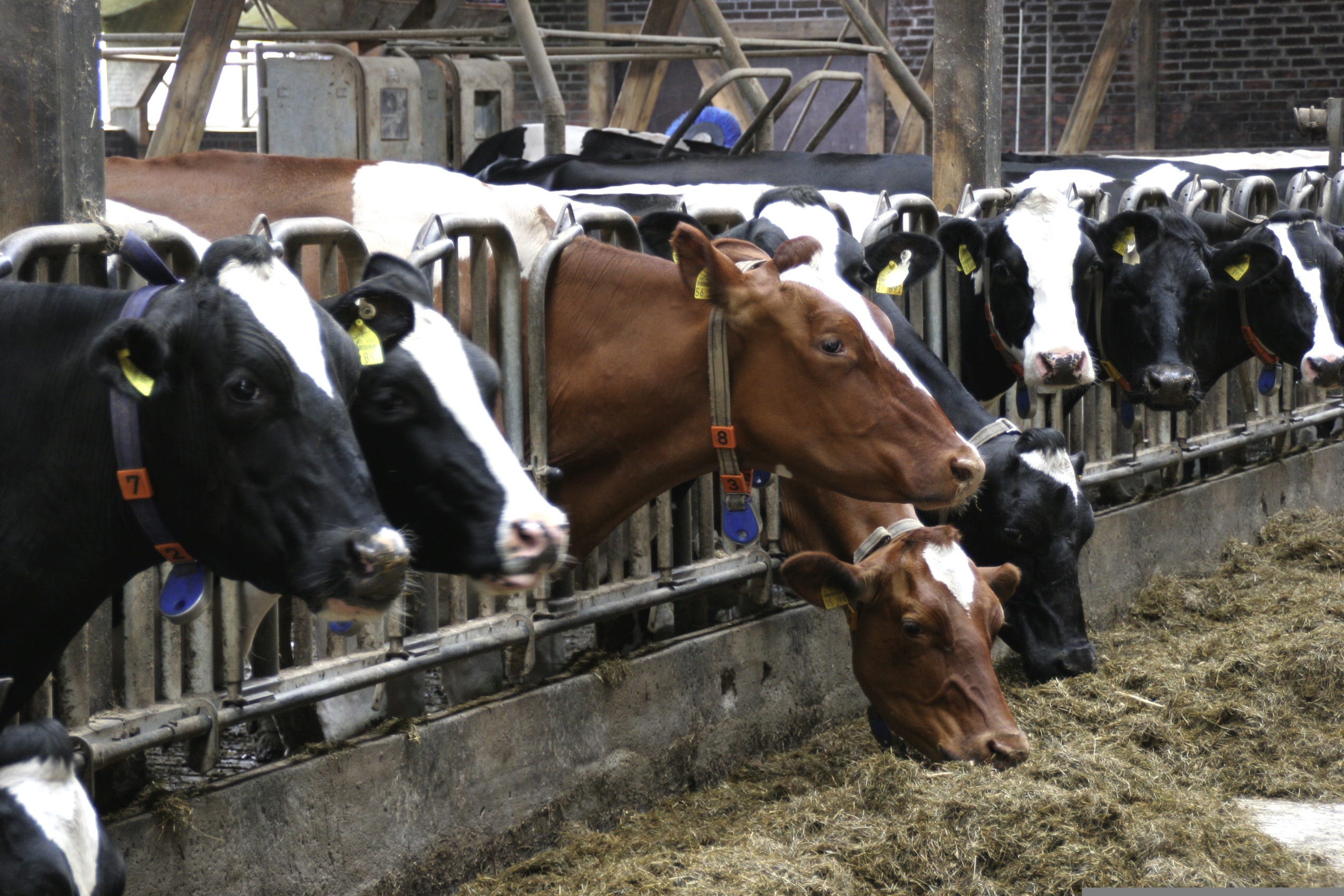
“The same fields that could feed billions are sacrificed to feed livestock, and through them, the illusions of wealth.”
The Feast of Waste
For every 100 calories of grain grown for human consumption, industrial animal farming returns as few as three. The rest vanishes into the machinery of livestock feed, its potential to nourish billions squandered in the name of appetite and profit. This is the quiet catastrophe described in Food Not Feed – How to Stop the World’s Biggest Form of Food Waste, a new report from Compassion in World Farming (CIWF). It reveals a truth both mathematical and moral: animal agriculture has turned the abundance of the Earth into scarcity.
The scale of this inefficiency is staggering. Every year, about 766 million tonnes of edible grain are diverted to feed animals rather than people. In comparison, household food waste accounts for 631 million tonnes, food service losses for 290 million, and retail waste for just 131 million. What we feed to animals could feed 2.5 billion people—nearly a third of the human family. The statistics reveal a troubling truth: hunger arises not from drought or destiny, but from deliberate choices.
“The world does not suffer from food scarcity, but from a failure of conscience.”
The Invention of Inefficiency
This system did not appear overnight. Its roots lie in the industrial century’s promise to control nature through scale. After World War II, a surplus of grain production, coupled with new chemical fertilizers and machinery, created a need for markets. Feeding livestock became that market. Corporations and governments, eager to stabilize farm economies, built an entire food system around the conversion of cheap grain into expensive meat.
By the 1960s, “factory farming” had entered the global lexicon—a phrase that dignified cruelty with the language of efficiency. Pigs and chickens, once raised on scraps and pasture, became the recipients of carefully measured feed rations made of corn, soy, and wheat that humans could have eaten directly. As the industrial model expanded across continents, so did the illusion that feeding animals first would somehow feed people better.
But nature does not negotiate with illusion. When we use fields of grain to grow flesh instead of bread, we multiply waste at every stage. It takes nine calories of feed to produce one calorie of chicken, and even more for beef. In a world where hunger shadows hundreds of millions, this is not a flaw of the system—it is its foundation.
The Great Betrayal
To waste food on such a scale is to betray the moral principle that undergirds civilization: that sustenance should be shared. The modern livestock industry violates that covenant daily. It redefines excess as necessity, cruelty as commerce, and indulgence as inevitability.
Across the globe, nations that export grain for animal feed often struggle to feed their own people. Fields in Brazil, Argentina, and Ukraine stretch for miles with soy and corn bound not for local tables but for livestock barns in Europe and China. Each shipment represents calories subtracted from human mouths and added to corporate balance sheets. The system functions as a quiet transfer of nourishment from the poor to the rich, mediated through the bodies of animals.
This inversion of need and plenty has become so normalized that it hides in plain sight. The supermarket, with its glittering aisles of packaged meats, seems to promise abundance. In truth, it masks a global scarcity born of waste. The same grain that fattens livestock could have sustained the hungry child whose image haunts the nightly news. The injustice is not accidental—it is structural.
The Ecology of Absurdity
The environmental costs of this waste deepen the moral wound. Every tonne of grain grown for feed requires land, water, fertilizer, and energy. When those inputs yield only a fraction of their nutritional value, they generate planetary harm for diminishing returns.
Deforestation in the Amazon and Southeast Asia is driven largely by the demand for animal feed crops. Forests that once absorbed carbon and nurtured biodiversity are burned and plowed into monocultures of soy and corn. Rivers run green with fertilizer runoff. The air fills with methane and ammonia. The same system that starves people also starves the Earth itself.
To call this “food production” is an insult to the term. It is, in truth, food destruction—a process that turns living ecosystems into exhaust, and living beings into commodities. The waste of grain becomes the waste of land, water, and life.
Food, Not Feed
The CIWF report calls for a transformation both simple and radical: stop feeding edible crops to animals. The phrase “Food Not Feed” captures the heart of this reformation. If the grain that now fattens livestock were redirected to human consumption, the global food system could accommodate billions more without clearing another acre of forest or damming another river.
This vision is not utopian; it is logical. Nations already possess the means to restructure agricultural priorities. Redirecting subsidies from animal feed to food crops, supporting farmers who grow pulses, fruits, and vegetables, and expanding access to plant-based proteins could create resilience instead of ruin.
The solution also aligns with the human body itself. A plant-based diet uses far fewer resources, produces less waste, and offers abundant nutrition. Where meat requires vast quantities of grain, legumes return nitrogen to the soil. Where livestock emit methane, lentils and oats feed both body and planet.
The transformation is not a sacrifice; it is a restoration.
The Illusion of Prosperity
Supporters of industrial livestock often defend it as a driver of rural economies. But this prosperity is as hollow as the calories lost in conversion. Most of the profit flows to multinational corporations that own feed mills, slaughterhouses, and export contracts, not to farmers or workers. Rural communities become dependent on a system that erodes their land and health.
The economic argument for animal agriculture collapses when its external costs are counted—deforestation, water pollution, healthcare burdens, and climate impacts. If these were priced into the true cost of meat, it would become a luxury few could afford. Plant-based systems, by contrast, offer local employment, lower inputs, and equitable returns. They grow food, not debt.
To persist in the current model is to build prosperity on the bones of depletion.
A Hunger of Spirit
At its core, the crisis of food waste is not merely a technical problem but a spiritual one. We have mistaken consumption for communion and appetite for need. The abundance of the Earth was meant to sustain life, not to serve the vanity of empire or the cravings of excess.
Every wasted calorie of grain represents a lost act of compassion, a silenced possibility of nourishment. To feed livestock instead of the hungry is to turn away from our shared humanity. In a century defined by climate crisis and moral fatigue, this redirection of empathy toward efficiency is perhaps the greatest famine of all.
Yet hope endures in the simple truth that we can choose differently. To eat plants directly rather than through animals is not only an environmental choice—it is a moral awakening. It affirms that sustenance should not come at the cost of another’s suffering, whether human or animal.
The Return of Abundance
If humanity were to heed the call of Food Not Feed, the effects would ripple outward in every direction. Forests would regrow. Rivers would clear. Air would sweeten. Fields now devoted to animal feed could grow food for people, while pastures could return to wild grasslands that store carbon and cradle life.
Such a transformation would redefine abundance itself. We would no longer measure it by the weight of meat but by the reach of nourishment. True prosperity would be measured not in profit margins but in full stomachs and restored ecosystems.
The restoration of balance between human need and planetary health would mark the end of a long moral detour. For centuries, humanity has acted as if dominion meant consumption. The new covenant, written in the soil and seed, would redefine dominion as stewardship.
Conclusion: The Choice Before Us
The CIWF report names what conscience already knows: we are feeding animals while starving the world. This is not the necessary cost of civilization; it is its corruption. To continue on this path is to accept a civilization that trades compassion for convenience and sustenance for spectacle.
But the choice remains open. Every plate is a declaration of values, every meal a quiet referendum on what kind of world we wish to nourish. When we choose food over feed, we affirm life over waste, and conscience over custom.
The end of animal farming’s wasteful reign would not mark the loss of abundance—it would mark its return.
No matter how you subscribe, free or paid, thank you. Every reader matters, and your presence helps keep these conversations alive. Your support, whether through reading, sharing, or subscribing, makes all the difference.
I know some may not want to commit to a paid subscription, but if you’d like to support my work, you can always buy me a coffee on Ko-fi. Your contribution helps sustain independent writing rooted in consciousness, compassion, and social renewal. Every bit of support truly makes a difference.
All true and eloquently stated. Humans like animal flesh because of its fat content. They dig their graves with their own teeth, because that fat clogs the arteries. After former President Clinton nearly died from coronary artery disease he became a vegan.
Thank you for the work you do and the message you spread!